Literature

Table of Contents
They are quoted as I published them, in the language I read them in, which is sometimes Spanish and sometimes English. Nothing here has been translated, corrected or tidied — the punctuation inside each quote is the punctuation I typed.
Johann Wolfgang von Goethe #
"Lo que brilla, ha nacido para el instante; lo auténtico permanece intacto para la posteridad."
— Johann Wolfgang von Goethe
"(Solo.) De tiempo en tiempo pláceme ver al Viejo, y me guardo bien de romper con él. Muy linda cosa es, por parte de todo un gran señor, el hablar tan humanamente con el mismo diablo."
— Mefistófeles en referencia a El Señor. Fausto, J. W. Goethe
"Una parte de aquel poder que siempre quiere el mal y siempre produce el bien."
— Mefistófeles en respuesta a ¿quien eres tú?. Fausto, J. W. Goethe
"Es ley para diablos y espectros, que por donde se colaron, por allí han de salir. Lo primero es libre para nosotros; de lo segundo somos esclavos."
— Mefistófeles. Fausto, J. W. Goethe
"Soy demasiado viejo para andar en juegos, y demasiado joven para estar sin deseos."
— Johann Wolfgang von Goethe
Jorge Luis Borges #
"27. Yo no hablo de venganzas ni de perdones; el olvido es la única venganza y el único perdón."
— Fragmentos de un evangelio apócrifo, Jorge Luis Borges
"Un hombre se propone la tarea de dibujar el mundo. A lo largo de los años puebla un espacio con imágenes de provincias, de reinos, de montañas, de bahías, de naves, de islas, de peces, de habitaciones, de instrumentos, de astros, de caballos y de personas. Poco antes de morir, descubre que ese paciente laberinto de líneas traza la imagen de su cara."
— Epílogo de El hacedor, Jorge Luis Borges
"39. Busca por el agrado de buscar, no por el de encontrar... "
— Fragmentos de un evangelio apócrifo, Jorge Luis Borges
"Ser inmortal es baladí; menos el hombre, todas las criaturas lo son, pues ignoran la muerte; lo divino, lo terrible, lo incomprensible, es saberse inmortal."
— Jorge Luis Borges, El Aleph
"7. Feliz el que no insiste en tener razón, porque nadie la tiene o todos la tienen."
— Fragmentos de un evangelio apócrifo, Jorge Luis Borges
Juan Rulfo #
"Ese sueño que eres tú todavía dura. Durará siempre, porque siento como que estás dentro de mi sangre y pasas por mi corazón a cada rato."
— Juan Rulfo, Cartas a Clara
"Estas pláticas que yo tengo con mi conciencia son a veces muy largas, duran días enteros; por eso no resulta que me ponga a contártelas en esta pobre carta. De verdad, cuídate mucho, come y duerme bien y sueña con los angelitos y no en esta cosa maligna que soy yo. Pero no me olvides."
— Juan Rulfo, Cartas a Clara
«El día que te fuiste entendí que no te volvería a ver. Ibas teñida de rojo
por el sol de la tarde, por el crepúsculo ensangrentado del cielo. Sonreías»— Pedro Paramo, Juan Rulfo

«Dejabas atrás un pueblo del que muchas veces me dijiste: “Lo quiero por ti; pero lo odio por todo lo demás, hasta por haber nacido en él”. Pensé: “No regresará jamás; no volverá nunca”»
— Pedro Paramo, Juan Rulfo

José Ángel Buesa #
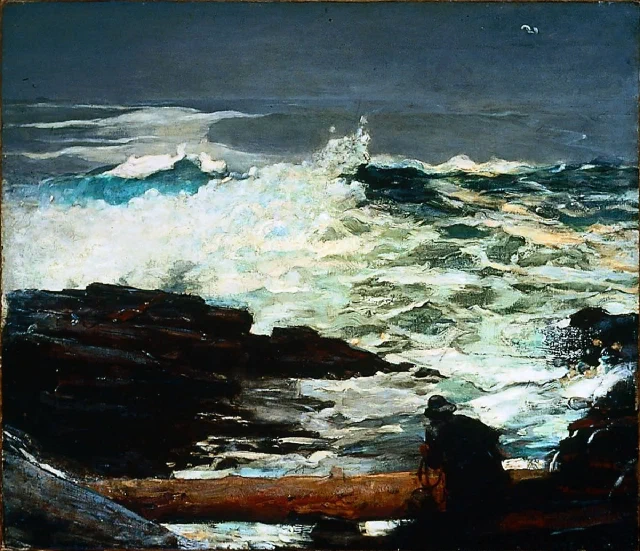
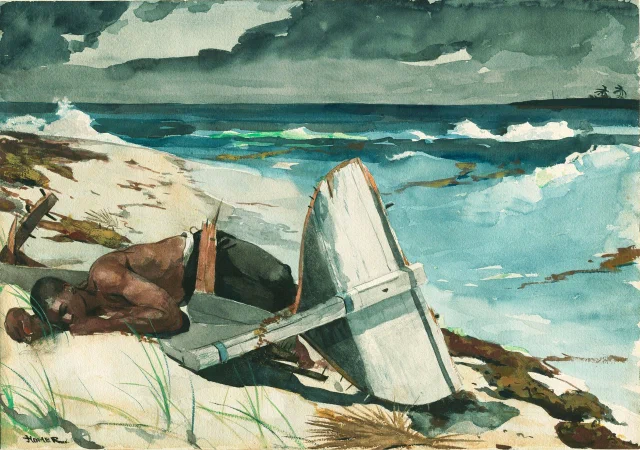
The whole of Poema del olvido, in three parts, each read against a painting by Winslow Homer.
"y hoy tu vida y mi vida son como estrellas,
pues pueden verse juntas, estando tan lejanas..."— Poema del olvido, José Ángel Buesa
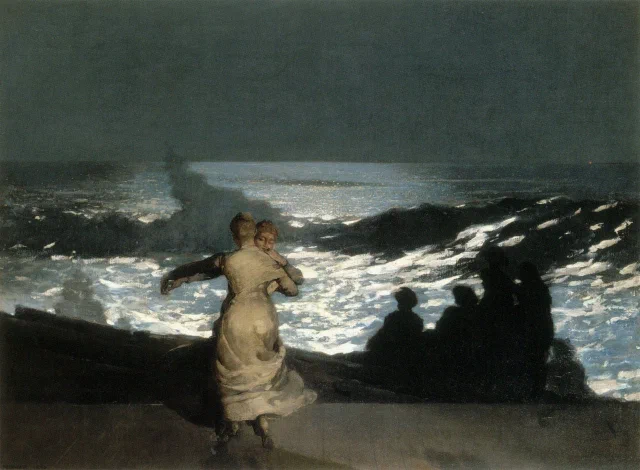
"Yo bien sé que el olvido, como un agua maldita,
nos da una sed más honda que la sed que nos quita,
pero estoy tan seguro de poder olvidar..."— Poema del olvido, José Ángel Buesa
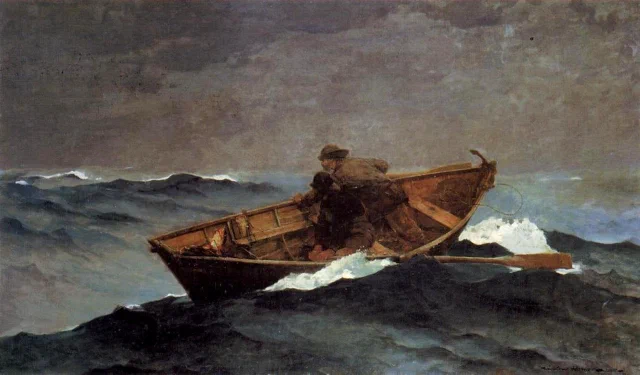
"Y miraré las nubes sin pensar que te quiero,
con el hábito sordo de un viejo marinero
que aún siente, en tierra firme, la ondulación del mar."— Poema del olvido, José Ángel Buesa
Yann Martel #
"I've never forgotten him. Dare I say I miss him? I do. I miss him. I still see him in my dreams. They are nightmares mostly, but nightmares tinged with love."
— Life of Pi, Yann Martel
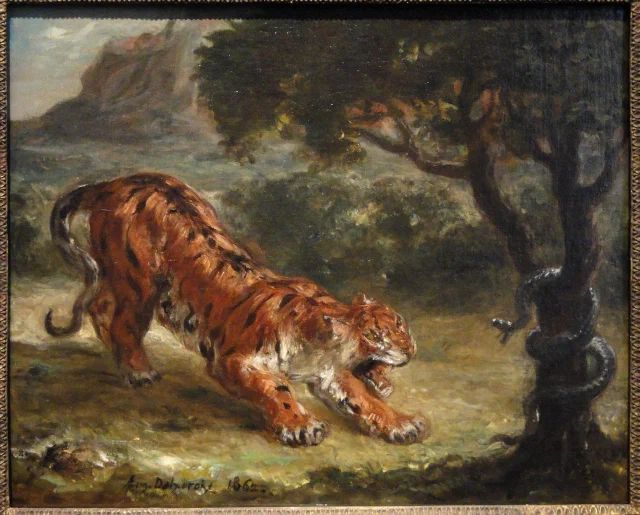
"Such is the strangeness of the human heart. I still cannot understand how he could abandon me so unceremoniously, without any sort of goodbye, without looking back even once."
— Life of Pi, Yann Martel
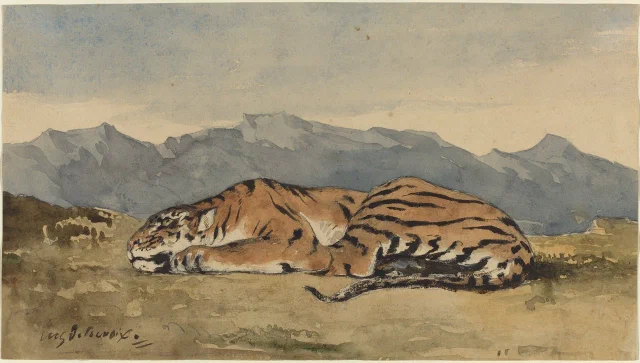
"I suppose in the end, the whole of life becomes an act of letting go, but what always hurts the most is not taking a moment to say goodbye."
— Life of Pi, Yann Martel

"What a terrible thing it is to botch a farewell. I am a person who believes in form, in the harmony of order.
Where we can, we must give things a meaningful shape."— Life of Pi, Yann Martel
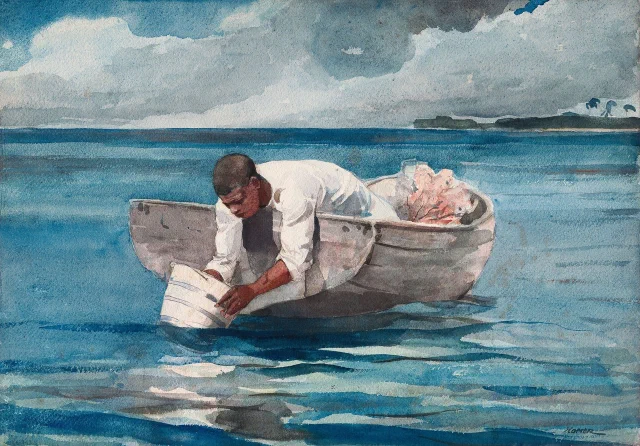
"It's important in life to conclude things properly. Only then can you let go. Otherwise you are left with words you should have said but never did, and your heart is heavy with remorse.
That bungled goodbye hurts me to this day."— Life of Pi, Yann Martel
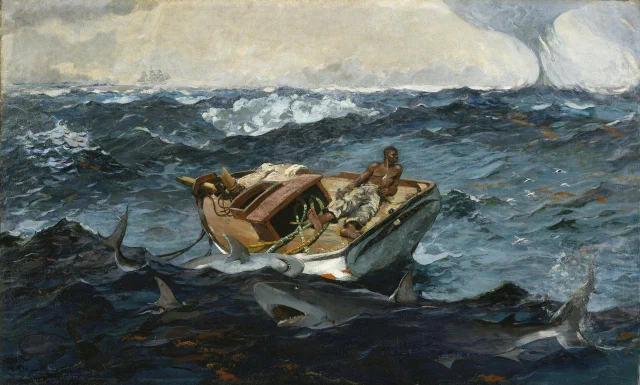
"I wish you all the best with it. Watch out for Man. He is not your friend. But I hope you will remember me as a friend. I will never forget you , that is certain.
You will always be with me, in my heart."— Life of Pi, Yann Martel
Alexandre Dumas #
"¡Confiar y esperar!"
"All human wisdom is contained in these two words - Wait and Hope"
— Alexandre Dumas, The Count of Monte Cristo
"Woman is sacred; the woman one loves is holy."
— Alexandre Dumas, The Count of Monte Cristo
Voltaire #
"Al ser incapaz de hacer que la gente sea más razonable, he preferido ser feliz lejos de ellos."
— Voltaire
"Quienes creen que el dinero lo hace todo, terminan haciendo todo por dinero."
— Voltaire
Albert Camus #
"Dijo que yo era raro, que me amaba por eso. Pero yo sé que un día me odiara por las mismas razones."
— El Extranjero, Albert Camus
"Siempre nos autoengañamos dos veces respecto a las personas que amamos: primero a su favor, y luego en su contra."
— Albert Camus
William Shakespeare #
"It's better to die misunderstood than to spend your life explaining yourself."
— Attributed to William Shakespeare
"This thou perceivest, which makes thy love more strong
To love that well which thou must leave ere long."— Sonnet 73, William Shakespeare
Mark Twain #
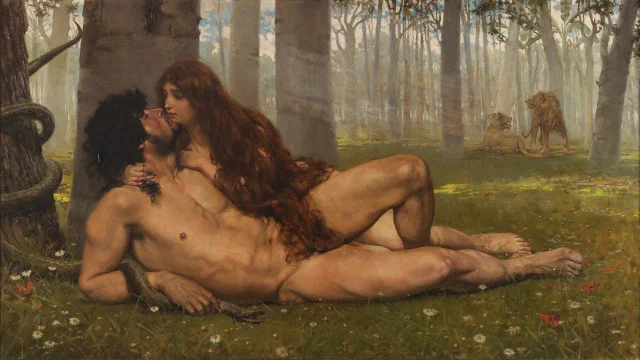
«Dondequiera que ella estaba, allí era el Edén.»
— Adán en la tumba de Eva. El diario de Eva, Mark Twain
Perder el jardín fue encontrarse. El paraíso nunca fue un lugar, siempre lo fue su compañía.
Takehiko Inoue #
"...Es conociendo la amargura de la derrota cuando se puede sentir plenamente la alegría de la victoria. De la misma forma, es ignorando la muerte como no se puede disfrutrar plenamente de la vida. ¿No es acaso la felicidad poder agradecer lo que se tiene? Tan fácil como dificil, tan dificil como fácil..."
— Takehiko Inoue

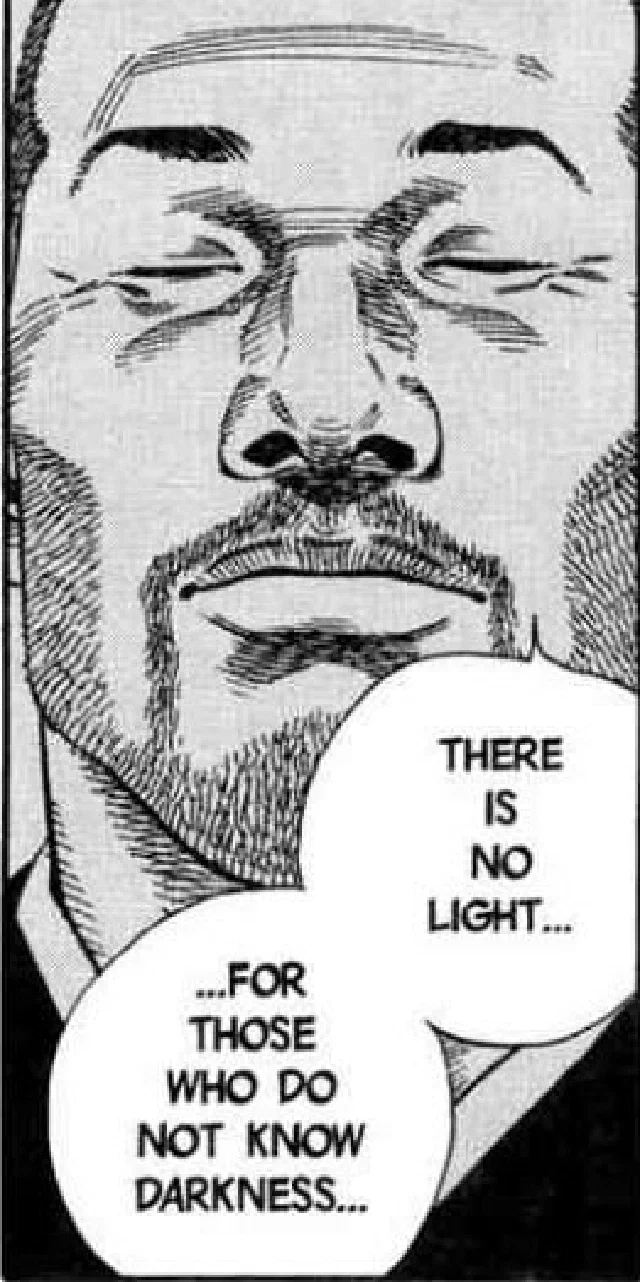
"There is no light.. for those who do not know darkness."
— Takuan
Gabriel García Márquez #
"Aureliano Segundo pensaba sin decirlo que el mal no estaba en el mundo, sino en algún lugar recóndito del misterioso corazón de Petra Cotes, donde algo había ocurrido durante el diluvio que volvió estériles a los animales y escurridizo el dinero. Intrigado con ese enigma, escarbó tan profundamente en los sentimientos de ella, que buscando el interés encontró el amor porque tratando de que ella lo quisiera terminó por quererla. Petra Cotes, por su parte, lo iba queriendo más a medida que sentía aumentar su cariño, y fue así como en la plenitud del otoño volvió a creer en la superstición juvenil de que la pobreza era una servidumbre del amor"
— Cien años de soledad, Gabriel García Márquez
Single Lines #
Authors I copied out once and never returned to, in the order I found them.
"Ni gastar puede el tiempo tu memoria / ni tu ruina caber en el olvido"
— Gabriel Álvarez de Toledo
“Como no estas experimentado en las cosas del mundo, todas las cosas que tienen algo de dificultad te parecen imposibles… Confía en el tiempo que suele dar dulces salidas a muchas amargas dificultades”
— Don Quijote, Miguel de Cervantes
"Ninguna herida de mi corazón la causó un enemigo."
— Anónimo
"Caminante no hay camino, se hace camino al andar."
— Antonio Machado
"Rome Wasn’t Built in a Day"
— James Clear
"El mundo sufre mucho. No sólo a causa de la violencia de las personas malas. También por el silencio de la gente buena."
— Napoleón Bonaparte
"If love does not know how to give and take without restrictions, it is not love, but a transaction that never fails to lay stress on a plus and a minus."
— The Tragedy of Woman’s Emancipation, Emma Goldman
"Qué sabe del amor el que no tuvo que despreciar precisamente aquello que amaba."
— Así habló Zaratustra, Friedrich Nietzsche
"Para ser autodidacta debes condenarte por todas esas cosas que criticarías a los demás."
— Diógenes
“Cada hombre es lo que hace con lo que hicieron de él.”
— Jean Paul Sartre
"Tell me every terrible thing you ever did, and let me love you anyway."
— Attributed to Edgar Allan Poe
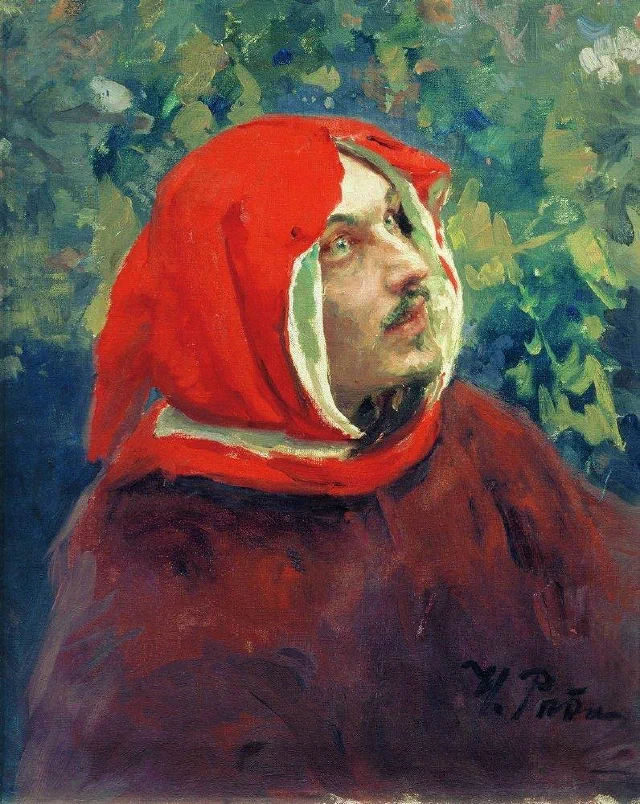
"El camino al Paraíso comienza en el Infierno"
— La divina comedia, Dante Alighieri
"In his extreme youth Stoner had thought of love as an absolute state of being to which, if one were lucky, one might find access; ... in his maturity he had decided it was the heaven of a false religion, toward which one ought to gaze with an amused disbelief, a gently familiar contempt, and an embarrassed nostalgia. ... Now in his middle age he began to know that it was neither a state of grace nor an illusion; he saw it as a human act of becoming, a condition that was invented and modified moment by moment and day by day, by the will and the intelligence and the heart."
— John Williams, Stoner
"La vida es una serie de colisiones con el futuro; no es una suma de lo que hemos sido, sino de lo que anhelamos ser."
— José Ortega y Gasset
"Los placeres, cuando superan cierto límite, no son más que castigos"
— Marco Aurelio
"Life can only be understood backwards; but it must be lived forwards."
— Kierkegaard
"The mystery of human existence lies not in just staying alive, but in finding something to live for."
— Fyodor Dostoyevsky
"A man travels the world over in search of what he needs and returns home to find it."
— George Augustus Moore
"Para pequeñas criaturas como nosotros la inmensidad es soportable solo a través del amor."
— Carl Sagan
“Usted y yo no vemos las cosas como son. Vemos las cosas como somos.”
— Henry Ward Beecher
"La cara es el espejo del alma, y los ojos confiesan en silencio los secretos del corazón."
— San Jerónimo

“Cuando la educación no es liberadora, el sueño del oprimido es convertirse en el opresor.”
— Paulo Freire
«Una sola cosa importa: aprender a ser perdedor»
— Cioran, Emil, Del inconveniente de haber nacido, Taurus, 1981, p. 112
Aphorisms #
They are not quotations of anyone: they are the short forms a language keeps because they say in three words something it would otherwise take a paragraph to say. Under each one is what I went and found out about it.
Mono no aware
Japanese, 物の哀れ — “the pathos of things”. Not sadness at things but the ache of noticing that they pass: the cherry blossom is moving because it falls. Named by the scholar Motoori Norinaga in the eighteenth century, reading the Genji.
Memento mori
Latin, “remember that you must die”. Roman, and later carried into Christian painting as the skull set beside the books: not a threat, a measure. Whatever you are weighing, weigh it against this.
Tempus fugit
Latin, “time flees”. From Virgil’s Georgics, where the full line is fugit irreparabile tempus — it flees, and it cannot be recovered. The second half is the one that bites.
Carpe diem
Latin, “seize the day”. Horace, Odes I.11, and the rest of the line is usually dropped: carpe diem, quam minimum credula postero — seize the day, trusting tomorrow as little as you can. Carpere is what you do to fruit, not to a prize.
Ars longa, vita brevis
Latin, “art is long, life is short”. Hippocrates wrote it first in Greek and meant it of medicine: the craft takes longer to learn than a lifetime gives you. The common reading, that art outlives the artist, reverses which of the two is the problem.
Aurea mediocritas
Latin, “the golden mean”. Horace again, Odes II.10: the one who loves it keeps clear both of a hovel and of a palace worth envying. It argues for the middle not as timidity but as the only place that is not exposed.
Docendo discimus
Latin, “by teaching, we learn”. From a letter of Seneca: homines dum docent discunt — while they teach, people learn. Anyone who has had to explain something they thought they knew has met this one.
Sapere aude
Latin, “dare to know”. Horace, taken up by Kant in 1784 as the motto of the Enlightenment, where he glossed it: have the courage to use your own understanding. The dare is the point; the knowing was never the hard part.
Si vis pacem, para bellum
Latin, “if you want peace, prepare for war”. Adapted from Vegetius, a late Roman writer on military matters. It has been used ever since to justify both restraint and armament, which is a fair measure of how much it actually settles.
Veritas vos liberabit
Latin, “the truth shall set you free”. John 8:32, in the Vulgate. It is carved over the entrances of a great many universities, usually without the clause before it, which makes the freedom conditional on staying in the word.
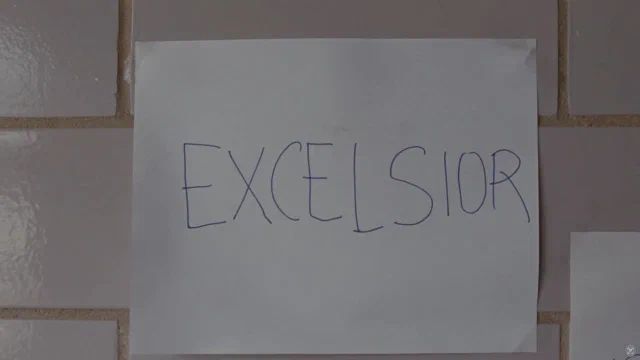
¡Excelsior!
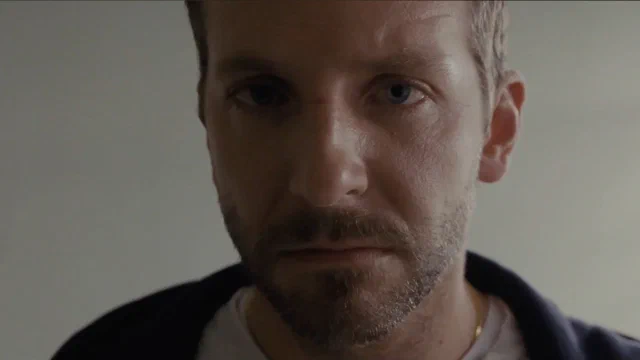
From Silver Linings Playbook, where Pat writes the word on a sheet of paper and tapes it to the wall. Excelsior is Latin for ever upward, and in the film it is the rule he gives himself: to keep looking for the silver lining in whatever happens. Pat Sr.’s speech from the same film is in Cinema.
Elsewhere #
I also keep Thoughts, where I write down what I think and what I feel.
Read Thoughts